This isn't about being a cynic. It’s about being a skeptic.
The News is a Circus and You Are the Target

Wait, don’t tell me. You just read a headline that made your blood pressure spike, and now you are ready to march on the capital of a country you could not find on a map.
I get it. Back when I was a kid, the news was a guy in a suit named Walter who told you the facts at 6:00 PM, and then you went to go eat a casserole. If he lied, he lost his job. Today, if a “journalist” lies, they get a bonus and a Netflix deal. We have traded truth for “engagement,” and frankly, it is exhausting.
The History of the Hustle
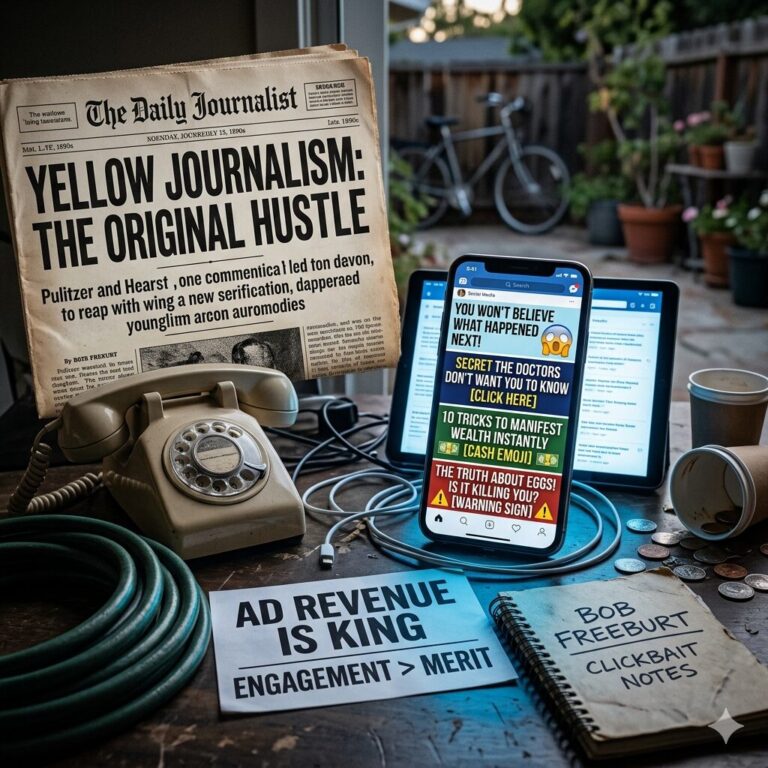
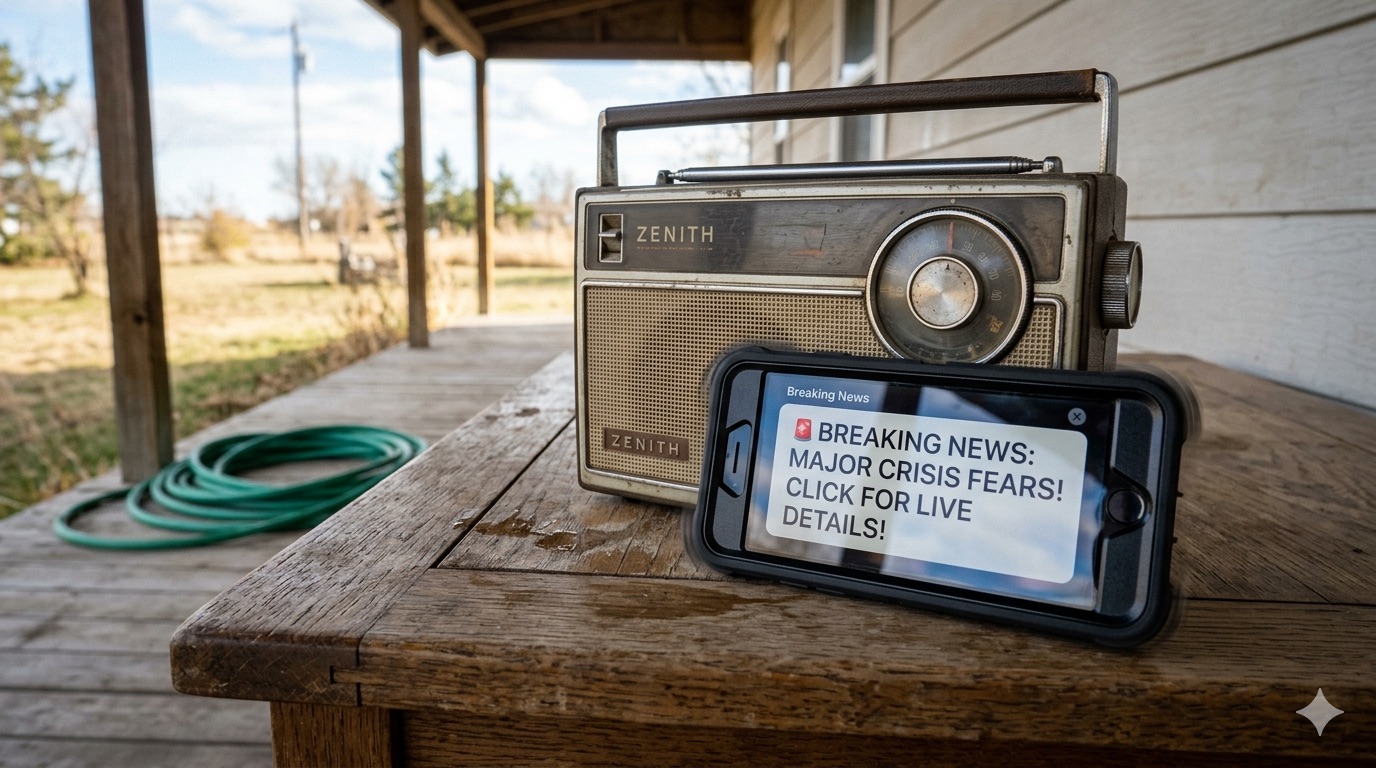
This isn’t actually new. It is just the digital evolution of “yellow journalism” from the 1890s. Back then, guys like William Randolph Hearst falsified stories about atrocities in Cuba just to move physical newspapers. He famously claimed he started a war just to boost circulation. The goals haven’t changed, only the medium has. Instead of newsies shouting on a street corner, we have algorithms whispering in our pockets.
Why Your Brain is Being Hacked
Researchers at Georgia State recently found that people consume “fake news” differently than they do tabloids. You read a tabloid for a laugh, but you share fake news because it “scratches an emotional itch.” In 2026, we are living in a “systemic global crisis” of information disorder. Advanced AI and deepfakes are now so good they have eliminated the tell-tale glitches. Just knowing they exist makes us doubt everything—even the truth.
The World Economic Forum actually listed mis- and disinformation as one of the top global risks this year. Why? Because outrage delivers faster than fact-checking. Tech platforms reward that dopamine hit you get when you share something that makes you angry.
The Garden Hose Rule: How to Fight Back
Information is power, and the more we have, the better our opinions become. But you have to work for it. Here is how you stay grounded:
- Practice “Lateral Reading”: Most people read vertically—they stay on one site and look at how “professional” it looks. That is a mistake. Fact-checkers read laterally. They leave the original site, open five new tabs, and see what other people are saying about that source. The truth is in the network, not the individual page.
- The Overton Window: Be aware of how stories are designed to shift what you find “acceptable” to believe. If a story feels like it is providing “emotional support” rather than raw data, someone is trying to move your goalposts.
- Check the “Ratio”: On social media, look at the likes versus the replies. If the replies are full of people debunking the claim with links, pay attention.
- Go Upstream: Most web content is not original. Trace the claim back to its source. Is it a peer-reviewed study, or just a blog post citing another blog post?
Seek facts, make your own opinion. Do not take the media’s opinion as your own. Stop letting the screen tell you what to think. Facts are out there: you just have to be willing to look past the neon signs to find them.