This isn't about being a cynic. It’s about being a skeptic.
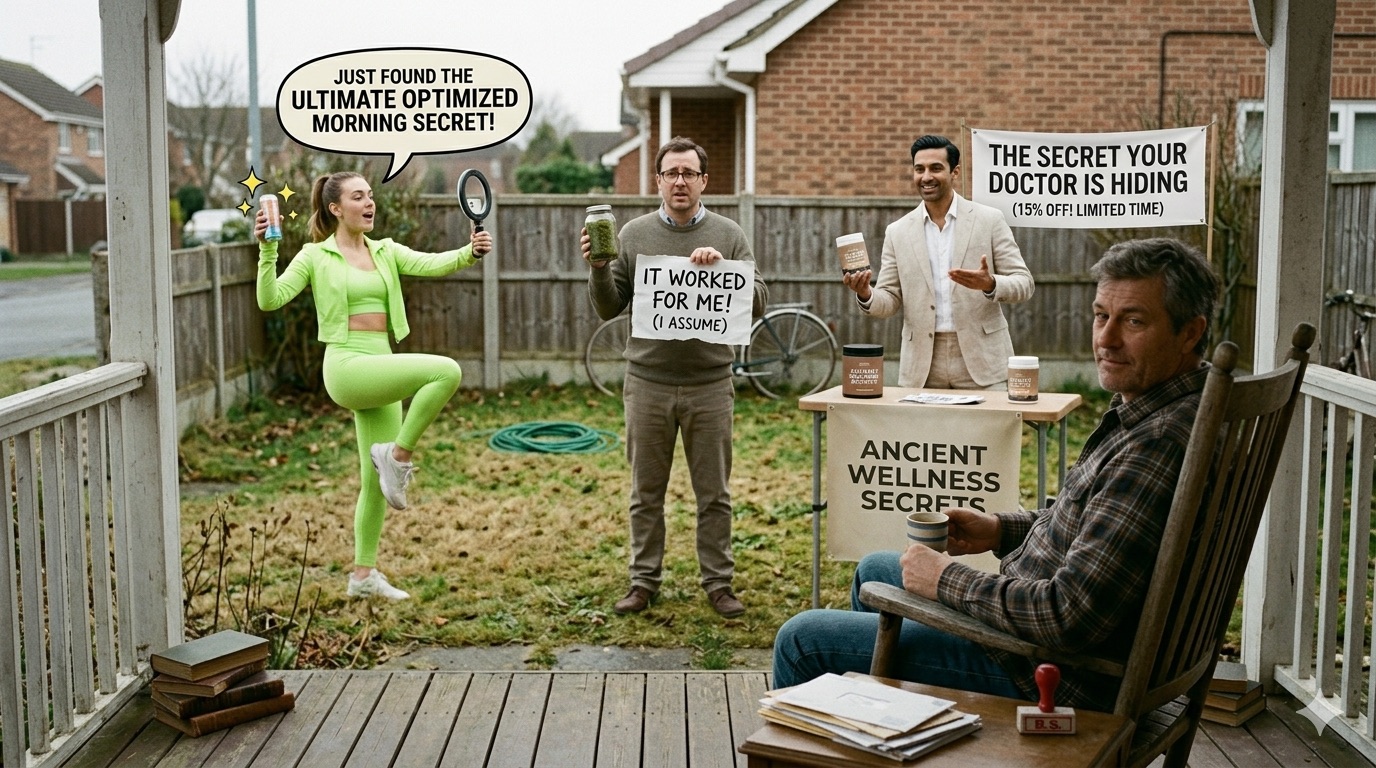
Exposing Influencer Narratives: Separating Fact from Fiction

If you have spent any time scrolling lately, you have seen the “Day in the Life” videos. They always start with a high-definition shot of a glass of lemon water, a perfectly made bed, and a soft-spoken narrator explaining how they “optimized” their morning by staring at the ceiling for twenty minutes. It looks like a documentary, but it is actually a high-budget audition for your trust.
We need to talk about why these people do what they do. Not everyone is a villain, but almost everyone is a business. Behind the soft lighting and the “I just want to help you” captions is a calculated narrative designed to turn your screen time into their revenue.
The Aesthetic of Authenticity
The most dangerous thing an influencer can use is “relatability.” In the 80s, if a celebrity wanted to sell you something, they did it in a 30-second commercial. You knew it was an ad. Today, the ad is disguised as a secret shared between friends. This is called a “parasocial relationship”—a one-sided bond where you feel like you know the person on the screen, even though they don’t know you exist [1].
They use beige filters and “vulnerable” sit-down videos to build this trust. Research shows that consumers are much more likely to believe a “peer” or an “influencer” over a traditional expert, even if that influencer has zero actual training in the subject they are discussing [2]. They aren’t selling a product; they are selling a version of themselves that you want to be.
The Three Tiers of the Hustle
Not every influencer has the same motive, but they all operate within the same economic machine.
- The Attention Seekers: For some, the currency is simply “clout.” The dopamine hit of a viral video is more addictive than any supplement they’re peddling. They will say anything—no matter how scientifically inaccurate—to stay relevant in a fast-moving algorithm [3].
- The Accidental Experts: These are the ones who found a “life hack” that worked for them and assumed it must work for everyone else. They have good intentions, but they lack the critical understanding that “anecdotal evidence” is not the same as scientific fact [4].
- The Career Grifters: This is the group that knows exactly what they are doing. They spot a fear—like aging, weight gain, or “toxins”—and they provide the cure in the form of a subscription service or a branded powder. A recent study on social media marketing found that “fear-based” narratives are significantly more effective at driving immediate sales than balanced, factual information [5].
Reading Between the Lines
Separating fact from fiction requires looking past the aesthetic. If someone is telling you a “secret” that the medical establishment “doesn’t want you to know,” they are usually just setting the stage for a sales pitch.
True help doesn’t usually come with a 15% discount code and a “limited time offer.” Real life is messy, unoptimized, and doesn’t require a specific brand of magnesium to be meaningful. The next time you see a perfectly curated narrative, ask yourself: is this person trying to improve my life, or are they just trying to improve their metrics?